
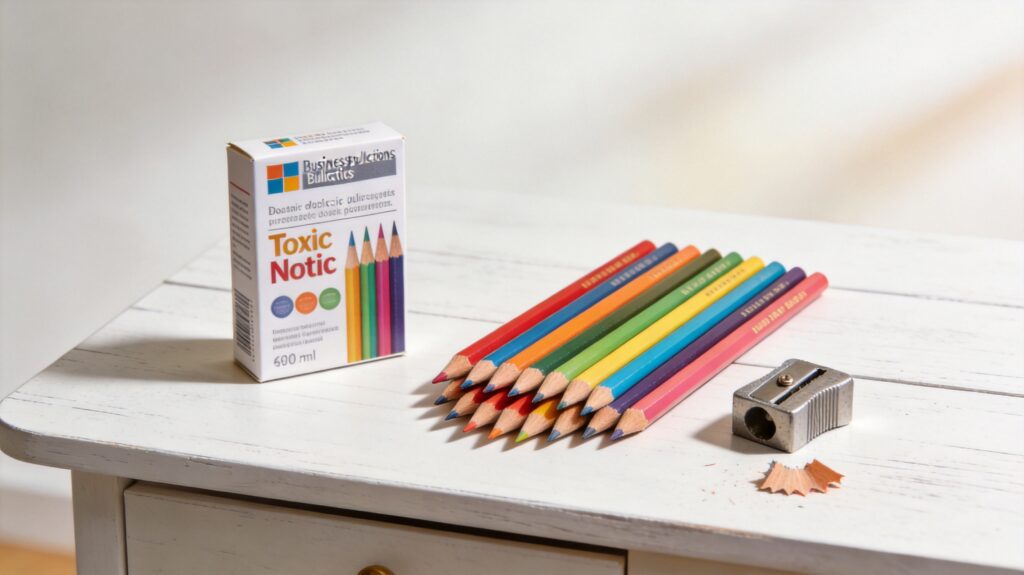
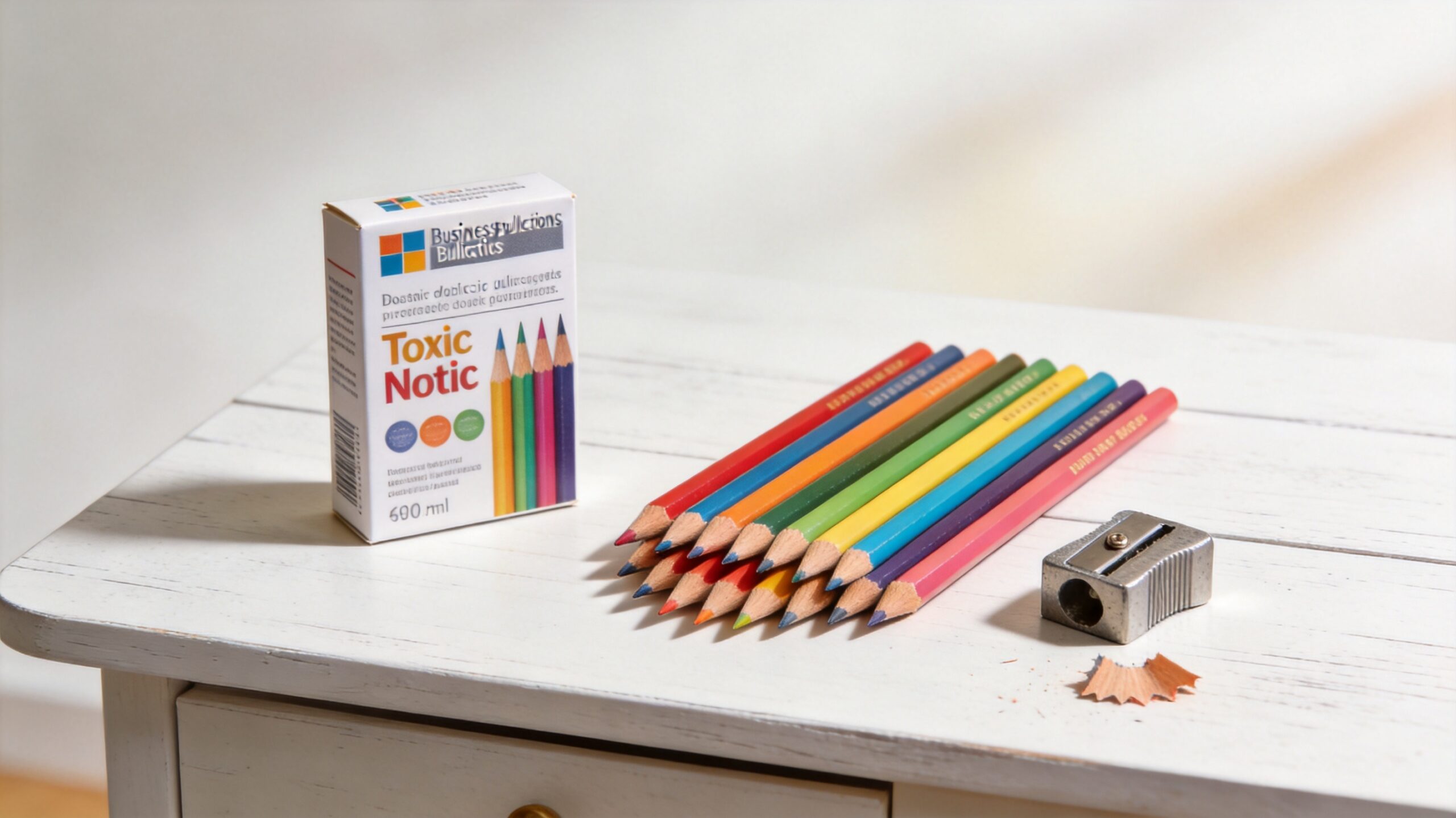
Why Non-Toxic Colored Pencils and Sharpeners Are Essential for Wholesale School Stationery Orders
1. The Growing Demand for Non-Toxic School Art Supplies
The school stationery market has undergone a significant transformation over the past decade. What was once a simple purchasing decision based on price and availability has evolved into a complex procurement process driven by health, safety, and regulatory compliance. School districts, private institutions, and educational supply distributors are increasingly prioritizing non-toxic art materials, and for good reason.
Children are particularly vulnerable to chemical exposure. Their developing bodies absorb substances differently than adults, and their natural behaviors—such as putting objects in their mouths or rubbing eyes after handling art supplies—increase the risk of accidental ingestion. This reality has pushed non-toxic colored pencils from a “nice-to-have” feature to a non-negotiable requirement in modern school procurement.
Regulatory Pressures on Children’s Stationery Safety
Regulatory bodies across North America and Europe have tightened their oversight of children’s art materials. The Consumer Product Safety Improvement Act (CPSIA) in the United States, along with the European Union’s EN 71 safety standard, sets strict limits on heavy metals, phthalates, and other hazardous substances in products intended for children. Distributors who fail to comply face not only financial penalties but also reputational damage that can be difficult to recover from.
Beyond mandatory regulations, voluntary certification programs like the Art & Creative Materials Institute’s (ACMI) AP (Approved Product) seal have become powerful market differentiators. Schools increasingly require these certifications as part of their vendor qualification process.
How Non-Toxic Claims Influence School District Procurement
School district purchasing departments now routinely include non-toxic requirements in their RFP (Request for Proposal) documents. A 2023 survey of K-12 procurement officers found that 78% considered non-toxic certification a “critical” or “high priority” factor when selecting art supply vendors. This shift means wholesalers who can demonstrate robust safety compliance have a distinct competitive advantage in securing large district contracts. For a closer look at compliant product options, browse our wholesale colored pencil collection designed specifically for school supply distributors.
2. Key Specifications for Wholesale Colored Pencil Orders
When sourcing colored pencils for wholesale distribution, understanding the technical specifications that matter to schools is essential. Not all colored pencils are created equal, and the differences directly impact classroom performance and student satisfaction.
ASTM D-4236 and AP Seal Compliance
The ASTM D-4236 standard governs the labeling of art materials for chronic health hazards. Products that meet this standard and undergo toxicological review by ACMI receive the AP seal, indicating they are safe for use by children. For wholesale buyers, requesting AP-certified colored pencils is the most straightforward way to ensure compliance with school district requirements. Always ask suppliers for current certification documentation and verify that the certification covers the specific product line you intend to order. Our 12-color elementary school pencil set is a popular AP-compliant choice for early-grade classrooms.
Wood Type, Lead Hardness, and Break Resistance
The quality of the wood casing directly affects sharpening performance and breakage rates. Premium colored pencils typically use California cedar or basswood, which offer smooth, even sharpening without splintering. Lower-quality woods, such as certain tropical hardwoods, can cause jagged edges and frequent lead breakage.
Lead hardness is another critical factor. Softer leads (B grades) deliver richer color payoff but break more easily and require more frequent sharpening. Harder leads (H grades) are more durable but produce lighter, less vibrant colors. For general classroom use, a medium-soft lead (around 2B-4B) offers the best balance of color intensity and durability. Break-resistant cores, achieved through specialized manufacturing processes like pre-glueing the lead to the wood casing, significantly reduce waste and frustration in high-volume classroom settings.
Color Range and Pigment Intensity for Classroom Use
A standard 24-count set remains the most popular format for elementary and middle school classrooms, providing a sufficient spectrum without overwhelming younger students. High school art programs, however, often require 48 or 72-color sets with more nuanced shades and higher pigment loads. When selecting wholesale inventory, offering a tiered range of color counts allows distributors to serve different grade levels and budget constraints effectively. Our children’s drawing colored pencil set offers a versatile 24-color configuration ideal for elementary classrooms.
3. Matching Sharpeners to Colored Pencil Specifications
The pencil sharpener is arguably the most overlooked component of school stationery orders—yet it can make or break the classroom experience. A high-quality colored pencil paired with a poor sharpener results in broken leads, frustrated students, and wasted supplies.
Dual-Hole vs. Single-Hole Sharpeners: Which Works Best
Dual-hole sharpeners offer versatility by accommodating both standard and jumbo-sized pencils. This is particularly valuable in early childhood classrooms where young students use thicker, easier-to-grip pencils. However, for colored pencils specifically, the standard hole size is most commonly used. Single-hole sharpeners with precision-engineered blades often provide a cleaner cut for colored pencil leads, which are softer and more fragile than graphite leads. For wholesale orders, offering both options allows schools to match sharpeners to their specific grade-level needs.
Blade Quality and Replacement Cycles for High-Volume Use
Blade quality is the single most important factor in sharpener performance. High-carbon steel blades with precision-ground cutting edges maintain sharpness far longer than standard stainless steel. In a classroom setting where a single sharpener may be used 50-100 times per day, premium blades can last an entire school year, while budget blades may need replacement every 6-8 weeks. Wholesale buyers should inquire about blade replacement availability and whether sharpeners are designed for easy blade swapping.
Container Capacity and Shavings Management in Classrooms
Colored pencil shavings are larger and more fibrous than graphite shavings, filling containers quickly. A sharpener with a small shavings container will require frequent emptying, disrupting classroom flow. Look for sharpeners with transparent, large-capacity containers (at least 1.5 inches in diameter) that allow students and teachers to see when emptying is needed. Some premium models feature a “lock-open” mechanism that prevents the container from spilling when being emptied—a small detail that teachers appreciate immensely.
4. Use Cases Across Grade Levels and Art Programs
Different educational levels have distinct requirements for both colored pencils and sharpeners. Understanding these nuances helps wholesalers recommend appropriate products and build targeted bundles.
Early Childhood: Safety-First Sharpener Designs
For pre-K and kindergarten classrooms, safety is paramount. Sharpeners with covered blades that only expose the cutting edge when a pencil is inserted prevent accidental finger injuries. Additionally, crank-style sharpeners that can be mounted to a table or wall are preferable to handheld models, as they keep small hands away from moving parts. Colored pencils for this age group should feature triangular or hexagonal grips that promote proper pencil hold and prevent rolling off desks.
Elementary to Middle School: Durability and Color Vibrancy
Grades 1-8 represent the highest volume of colored pencil usage. Students at this level are developing their artistic skills and experimenting with color mixing. Durable, break-resistant colored pencils with vibrant pigments are essential. Battery-operated or electric sharpeners become practical at this level, as they reduce the physical effort required and speed up the sharpening process during busy classroom transitions.
High School and Advanced Art: Precision and Blendability
Advanced art students require professional-grade colored pencils with soft, highly pigmented cores that allow for layering, blending, and burnishing. These pencils often have larger diameter leads that demand sharpeners with adjustable blade settings to achieve either long, sharp points for detail work or shorter, rounded points for broader strokes. High-end sharpeners with helical blades provide the precision these students need without wasting precious pencil material.
5. Comparing Bulk Pricing and Packaging Options
Cost efficiency is a primary driver for wholesale purchasing decisions, but the lowest unit price is not always the most economical choice in the long run.
Unit Cost vs. Replacement Frequency for Sharpeners
A $0.50 sharpener that lasts one month costs more annually than a $3.00 sharpener that lasts a full school year. When calculating total cost of ownership, consider replacement frequency, blade replacement costs, and the value of teacher time spent dealing with sharpener failures. Distributors who educate their school clients on this total-cost perspective build trust and encourage repeat business.
Bulk Packaging Formats: Trays, Boxes, and Refill Bags
Colored pencils are typically packaged in tin boxes, cardboard boxes, or plastic trays. Tin boxes offer durability and are popular for individual student kits. Cardboard boxes are more economical but less durable. Plastic trays with hinged lids provide a middle ground and are often preferred for classroom storage. For refill purposes, bulk bags of 100-500 pencils in single colors are increasingly popular, allowing schools to replenish specific colors that are used more frequently.
Private Labeling and Custom Color Assortments
Many wholesalers offer private labeling services, allowing distributors to brand colored pencil sets with their own logo or school district branding. Custom color assortments—such as creating a 36-color set with specific shades requested by an art teacher—are another value-added service that differentiates distributors from competitors.
6. Sourcing Reliable Suppliers for Wholesale Stationery
Finding a dependable manufacturing partner is critical for maintaining consistent quality and meeting delivery deadlines.
Certifications to Request from Manufacturers
Beyond ASTM D-4236 and AP seal compliance, request documentation for:
– CPSIA compliance (lead and phthalate testing)
– EN 71 certification for European markets
– ISO 9001 quality management systems
– FSC certification for sustainable wood sourcing
Reputable manufacturers will readily provide these documents. Hesitation or vagueness should raise red flags. For a comprehensive overview of our manufacturing standards and capabilities, visit our company profile page.
Lead Times and MOQ Considerations for School Seasons
The back-to-school season creates a massive demand spike between March and August. Manufacturers typically require orders to be placed 60-90 days in advance for this period. Minimum order quantities (MOQs) vary significantly—some factories require 5,000 units per SKU, while others offer more flexible terms. Distributors should establish relationships with multiple suppliers to hedge against capacity constraints during peak seasons.
Quality Control Checks for Pencil Cores and Sharpener Blades
Request pre-shipment samples and conduct independent quality testing. Key checks for colored pencils include:
– Centering of the lead within the wood casing
– Consistency of lead hardness across batches
– Color accuracy against Pantone references
– Breakage rates during a standardized sharpening test
For sharpeners, test blade sharpness after 100, 500, and 1,000 uses to verify durability claims.
7. Implementation Tips for Distributors and School Buyers
Successfully bringing non-toxic colored pencils and sharpeners to market requires strategic planning beyond the initial purchase.
Bundling Colored Pencils and Sharpeners as Kits
Creating classroom kits that pair colored pencil sets with appropriately matched sharpeners simplifies procurement for schools and increases average order value for distributors. A standard kit might include 24 colored pencils, one dual-hole sharpener, and a replacement blade pack. Premium kits for art programs could include 72 pencils, a helical-blade sharpener, and a storage caddy.
Inventory Forecasting for Back-to-School Peaks
Analyze historical sales data to identify ordering patterns. Many schools place their largest orders in April-June for the following fall semester. Distributors should maintain safety stock of fast-moving SKUs during this window and communicate clear cutoff dates for guaranteed delivery before the school year begins.
Marketing Non-Toxic Compliance to End Customers
Use non-toxic certification as a marketing asset. Create downloadable spec sheets, comparison guides, and safety data summaries that school buyers can share with their procurement committees. Highlight the AP seal prominently on product packaging and marketing materials. In an era where parents are increasingly concerned about chemical exposure, non-toxic compliance is a powerful selling point. For additional insights on stationery trends and safety standards, consult this industry reference on colored pencil materials.
8. Frequently Asked Questions for Wholesale Buyers
Are Non-Toxic Colored Pencils More Expensive?
Generally, yes—but the premium is modest. Non-toxic formulations often use higher-quality pigments and binders, adding approximately 5-15% to manufacturing costs. However, when factoring in the reduced liability risk, easier regulatory compliance, and growing market demand, the additional cost is a worthwhile investment. Many distributors find that non-toxic products command higher retail prices, offsetting the increased procurement cost.
How Many Sharpeners Should Be Ordered Per Pencil Box?
A practical rule of thumb is one sharpener per 24-36 pencils for classroom use. For individual student kits, one sharpener per student is recommended. For art rooms with multiple classes, consider one sharpener per four students to account for varying usage patterns. Always include replacement blades—one set per sharpener is a reasonable starting point.
What Is the Average Lifespan of a Classroom Sharpener?
With premium blade quality and regular maintenance, a high-quality manual sharpener can last 2-3 school years. Electric sharpeners typically last 1-2 years with heavy classroom use. Budget sharpeners may fail within weeks. The key differentiator is blade quality—sharpeners with replaceable blades extend the overall lifespan significantly, as the housing mechanism rarely fails before the blade dulls. For a deeper technical analysis of pencil core composition and sharpening behavior, refer to this technical reference from materials science literature.